

If you’re thinking about moving to Murrieta, California, you’re probably trying to figure out more than how much house you can afford. You want to know what everyday life actually feels like, which parts of Murrieta are different from one another, what the schools and neighborhoods are like, how bad the traffic really is, and whether Murrieta fits the lifestyle you’re looking for.
After helping families relocate to the Temecula Valley since 2009, I’ve noticed something. The people who end up loving Murrieta aren’t necessarily the ones who found the cheapest house. They’re the ones who understood what life here actually feels like before they moved.
Murrieta isn’t the right fit for everyone. But if you’re looking for a suburban Southern California community with more space, parks, established and newer neighborhoods, access to well-regarded schools, and proximity to Temecula, San Diego, Orange County, and the coast, it may be worth a serious look.
Here’s what you should know before moving to Murrieta, California.
Where Is Murrieta, California?

Murrieta is located in Southwest Riverside County, directly north of Temecula in Southern California’s Temecula Valley. Its location gives residents access to San Diego, Orange County, the coast, mountains, and desert destinations while generally offering more home for the money than many coastal Southern California communities.
Murrieta and Temecula are separate cities, but if you’re unfamiliar with the area, it helps to think of them almost like siblings. They’re connected geographically, residents move between them constantly, and they share many of the same regional amenities.
Without traffic, San Diego is roughly an hour away, Orange County is about an hour away, and Oceanside is approximately 45 minutes away. Los Angeles is around two hours depending on traffic, while destinations such as Big Bear and Palm Springs are close enough for day trips or weekend getaways.
And yes, Disneyland is absolutely doable.
My family lives in West Murrieta, and we’re Disney people. If we’re doing a rope-drop day, we’ll leave early in the morning and can typically get there in about an hour and 15 minutes. I’ve had relocation clients who are Disney families light up when they realize moving inland doesn’t necessarily mean giving that up.
There’s one important caveat to every drive time I just mentioned: Southern California traffic can change everything.
We’ll get into that because it’s one of the biggest considerations when deciding whether Murrieta is right for you.
What Is It Like Living in Murrieta, California?
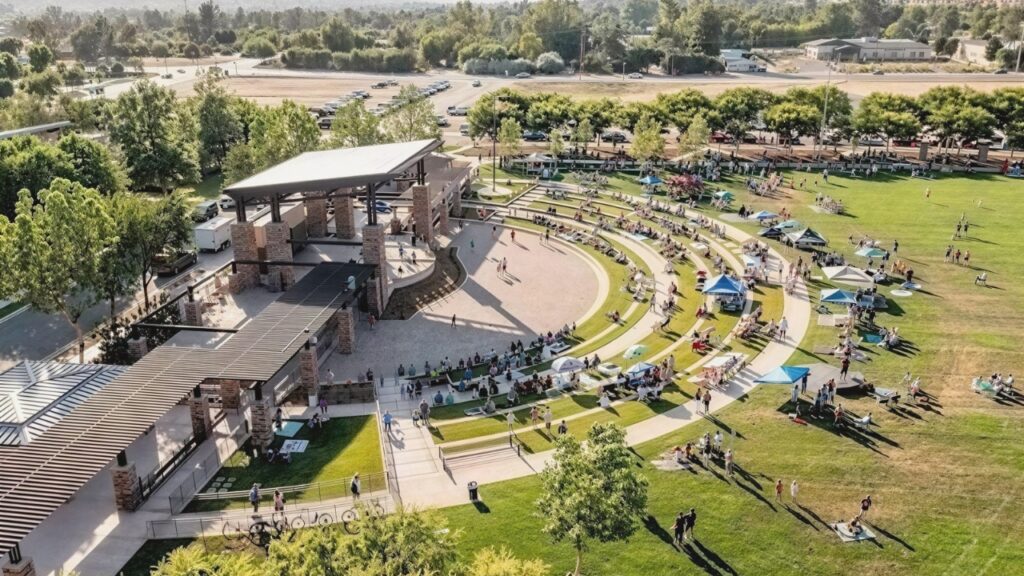
Living in Murrieta feels primarily suburban, residential, and family-centered. Everyday life tends to revolve around neighborhoods, schools, parks, youth sports, family activities, and nearby conveniences rather than tourism, nightlife, or a large downtown.
This is one of the biggest differences between living in Murrieta versus Temecula.
Temecula attracts visitors because of Wine Country, Old Town Temecula, restaurants, entertainment, and tourism. Murrieta is quieter and less tourist-oriented.
If your ideal lifestyle involves walking out your front door and spending every evening exploring restaurants, shops, and nightlife, Murrieta may leave you wanting more.
But if you’re picturing kids riding bikes, neighbors walking through the neighborhood, backyard barbecues, birthday parties, soccer games, parks, and a quieter pace of life, Murrieta may feel much more like what you’re looking for.
Murrieta isn’t trying to be San Diego, Orange County, or even Temecula. It’s a suburban community with its own personality, and understanding that personality before you move here can make a huge difference.
What Are the Different Areas of Murrieta?
Murrieta isn’t one uniform community. west Murrieta, central Murrieta, and east Murrieta offer noticeably different housing, scenery, convenience, taxes, and neighborhood experiences.
That’s why I don’t recommend choosing a Murrieta home based on the house alone. Where that house sits within the city can change your everyday experience considerably.
What is West Murrieta Like?

West Murrieta is known for established neighborhoods, rolling hills, mature landscaping, proximity to the Santa Rosa Plateau, and pockets with lower property taxes than some newer Murrieta communities.
I’ll admit my bias here because West Murrieta is where I live.
It’s home to established communities such as Copper Canyon and Bear Creek. You’ll notice more rolling hills, mature trees, and neighborhoods that can feel tucked away compared with some areas farther east.
West Murrieta also tends to run slightly cooler because of its proximity to the Santa Rosa Plateau.
Another potential advantage is property taxes. Many West Murrieta neighborhoods were developed before Mello-Roos became common, so buyers can sometimes find lower overall property taxes than they would in newer master-planned communities.
What is Central Murrieta Like?

Central Murrieta is a strong option for buyers who prioritize everyday convenience and freeway access.
You’re close to shopping, restaurants, medical facilities, the freeways, and many of the things you’ll use regularly. Housing includes a mixture of established neighborhoods and newer communities.
For someone who wants to be centrally positioned within Murrieta, this area deserves a close look.
What is East Murrieta Like?
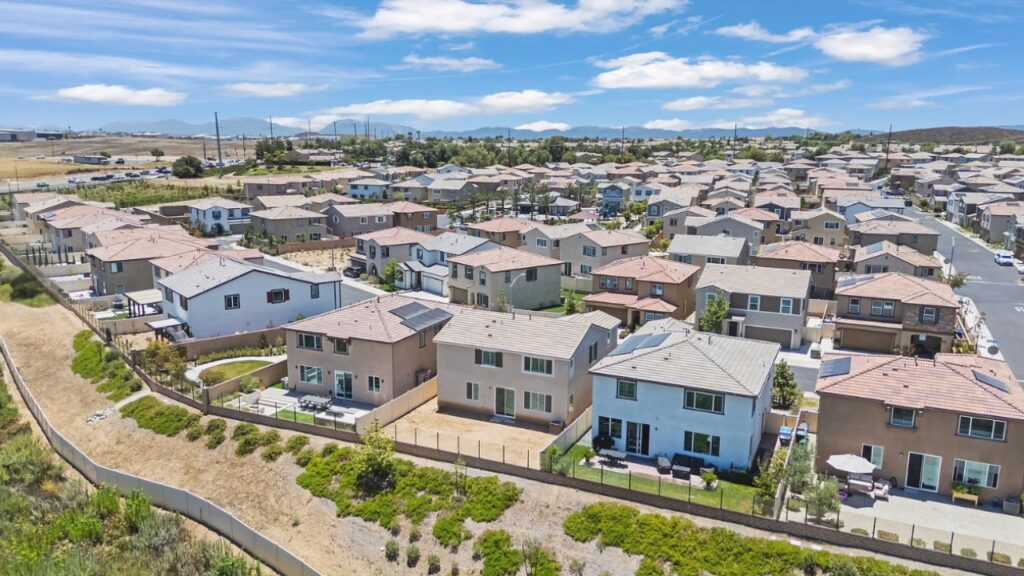
East Murrieta has many of the city’s newer neighborhoods and newer-construction options, often with newer floor plans and community amenities.
If you’ve been searching online for newer Murrieta homes, you’ll probably spend time looking here.
Depending on the community, you may find pools, parks, walking areas, and newer neighborhood amenities.
There’s another expense to understand, though: many newer communities have Mello-Roos.
Mello-Roos isn’t inherently good or bad. Those taxes can help pay for infrastructure, roads, schools, and amenities serving newer communities. But they can make two similarly priced homes cost very different amounts each month.
That’s why I encourage my buyers to compare the total monthly cost of owning the home, rather than simply comparing list prices.
Do You Get More House for Your Money in Murrieta?
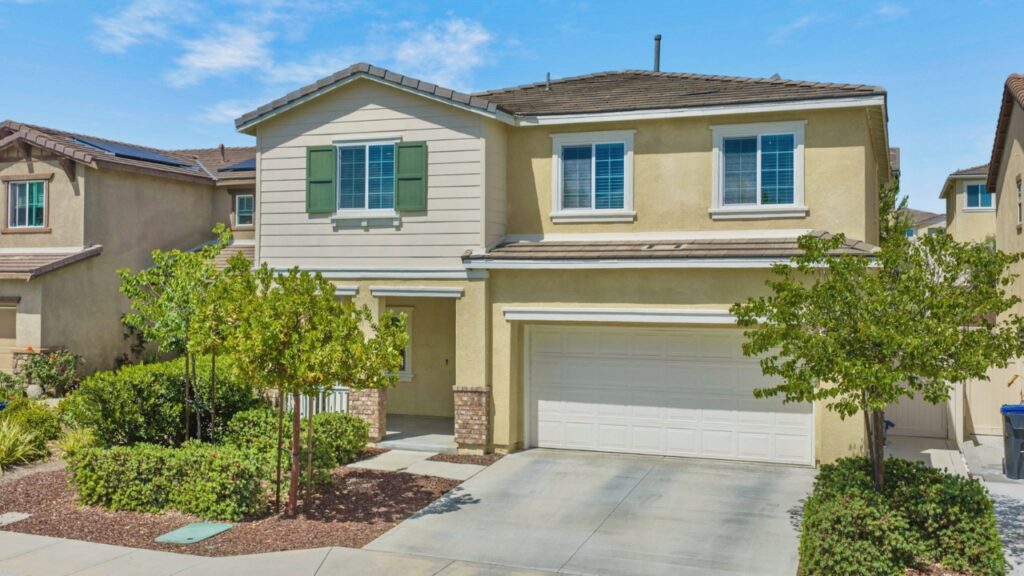
Compared with many coastal areas of Southern California, buyers relocating to Murrieta can often get more space for their housing budget. That can mean an additional bedroom, larger backyard, three-car garage, home office, or access to neighborhood amenities.
This is one of the biggest reasons I see people relocate here from San Diego, Orange County, Los Angeles, and other higher-cost parts of California.
But there’s something I encourage buyers to consider:
Don’t automatically shop for the newest house. Shop for the lifestyle you want.
For one buyer, that’s a brand-new home with current finishes and community amenities. For another, it’s an established neighborhood with mature trees, potentially lower taxes, and more character.
Neither is automatically better.
The right choice depends on what you want your everyday life to look like.
What Are the Schools Like in Murrieta?

Murrieta Valley Unified School District has a strong reputation and is one of the reasons families consider moving to Murrieta. However, individual school boundaries vary by neighborhood, so buyers should research the specific schools serving any home they’re considering.
The district’s three comprehensive high schools are Vista Murrieta High School, Murrieta Valley High School, and Murrieta Mesa High School. Murrieta Valley offers the district’s International Baccalaureate program, while Vista Murrieta is known for academics, athletics, and extracurricular opportunities.
This is one area where relocating families need to be careful.
A Murrieta mailing address doesn’t necessarily tell you everything you need to know about the schools serving a particular property. If a specific school matters to you, verify the current attendance boundary before making a housing decision.
And remember that a highly rated school isn’t automatically the best school for every child.
Every student is different, and every family has different priorities. I encourage parents to visit schools, research their programs, ask questions, and determine what actually fits their child.
Even if you don’t have children, school boundaries may still be worth understanding because they can affect how future buyers perceive your home.
Does Murrieta Have Parks and Outdoor Recreation?
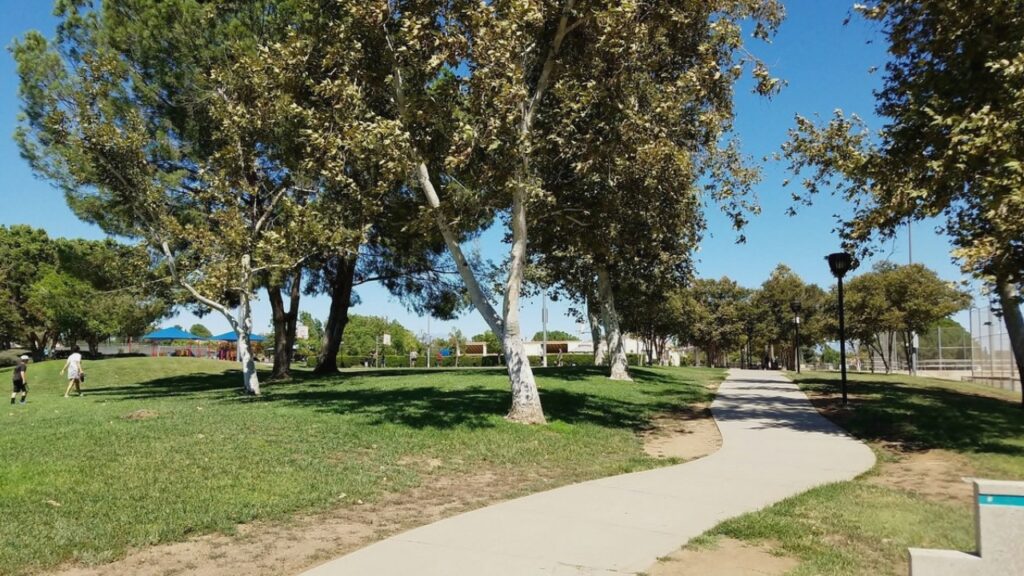
Yes. Murrieta has more than 50 parks, miles of walking and biking trails, youth sports facilities, and easy access to outdoor recreation such as the nearby Santa Rosa Plateau.
One thing I like about Murrieta is that parks aren’t concentrated in one central area. They’re woven throughout neighborhoods.
If your kids play sports, you’ll probably become familiar with places such as Los Alamos Sports Park and California Oaks Sports Park. Weekends around here can mean baseball, soccer, football, and a lot of families spending time together.
For hiking and nature, the Santa Rosa Plateau is one of my favorite places nearby. In spring, the landscape turns green, and it’s remarkable how quickly you can go from suburban neighborhoods and shopping to open natural space.

That’s one of the things that surprises people about living here. Murrieta feels suburban, but nature isn’t far away.
What is There to Do in Murrieta?

Murrieta offers plenty of everyday shopping, restaurants, parks, sports, and community activities, but it isn’t a major entertainment or nightlife destination. Residents frequently travel to neighboring Temecula for additional restaurants, Wine Country, Old Town, and entertainment.
That distinction is important when you’re deciding between Murrieta and Temecula.
Murrieta is built more around everyday convenience than tourism. You’ll find grocery stores, major retailers, local coffee shops, family-owned restaurants, and shopping centers throughout the city.
Old Town Murrieta brings some local character with restaurants and community events, but it’s considerably smaller than Old Town Temecula.
A typical Murrieta weekend may look more like breakfast with the family, kids’ sports, a trip to the park, dinner in Temecula, or a day trip to the beach.
That’s simply the rhythm of life here.
How Bad is Traffic in Murrieta?
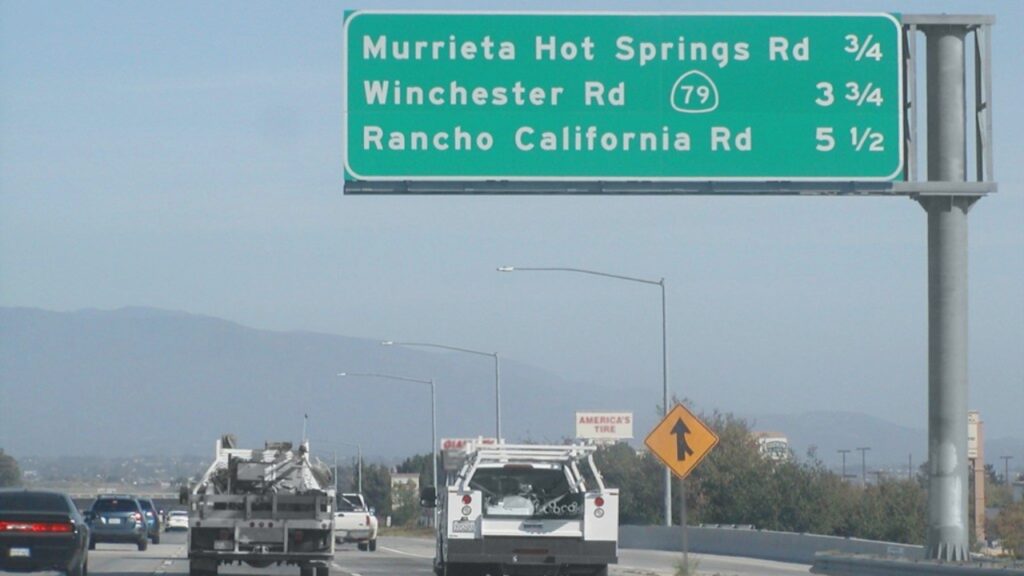
Traffic is one of the most important trade-offs to consider before moving to Murrieta, particularly if you’ll commute daily to San Diego, Orange County, or Los Angeles. Your actual commute can vary dramatically based on destination, neighborhood, and departure time.
Distance doesn’t tell the whole story. Traffic does.
If you work remotely, locally, or on a hybrid schedule, Murrieta can be a fantastic home base.
If you’re commuting every weekday, you need to understand what that drive will actually feel like as part of your daily routine. Depending on your destination and departure time, a drive can be manageable or stretch well beyond an hour.
Here’s what I recommend to relocation clients:
Test your actual commute before choosing a neighborhood.
Don’t test it Saturday afternoon. Drive the route on a weekday at the exact time you’d normally leave for work.
Your commute isn’t just a number on Google Maps. It’s part of your quality of life.
What is the Weather Like in Murrieta?
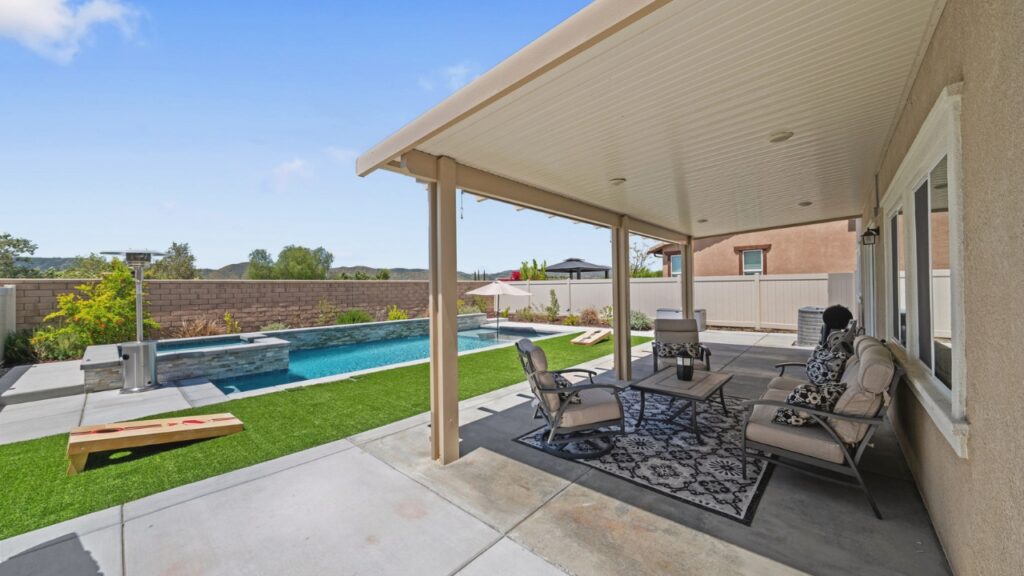
Murrieta has mild winters, warm springs and falls, and hot, dry summers. Summer daytime temperatures are generally in the upper 80s through the high 90s, with occasional days exceeding 100 degrees, although evenings often cool considerably after sunset.
Winter is generally mild, with daytime highs typically in the low to mid-60s and overnight temperatures in the low to mid-40s.
Spring usually brings highs from the upper 60s into the mid-70s, along with green hills and great weather for enjoying local parks and trails.
Fall gradually moves from the 80s back into the 70s and can also bring Santa Ana wind events.
There are even small climate differences within Murrieta.
Where I live in west Murrieta, for example, we’re generally a little cooler than some communities farther east because we’re closer to the Santa Rosa Plateau.
For someone moving inland from coastal San Diego or Orange County, the summer heat is definitely something to consider. But the mild winters, sunshine, cooler evenings, and ability to be outdoors much of the year are also part of what draws people here.
What Are the Pros and Cons of Living in Murrieta?
The biggest advantages of living in Murrieta are housing value compared with many coastal Southern California communities, family-oriented neighborhoods, parks, schools with a strong reputation, outdoor recreation, and access to destinations throughout Southern California. The biggest trade-offs are traffic, hot summers, limited nightlife, and housing expenses that can vary significantly because of property taxes and homeowners insurance.
For many people, the quieter suburban environment is actually part of Murrieta’s appeal.
But it isn’t going to fit everyone.
If you want a bustling downtown, highly walkable urban lifestyle, extensive nightlife, or entertainment immediately outside your front door, Murrieta probably won’t check every box.
If you want more space and a suburban lifestyle while remaining within reach of San Diego, Orange County, Temecula, the beach, Disneyland, Big Bear, and Palm Springs, the equation may look very different.
What Should Murrieta Home Buyers Know About Property Taxes?
Property taxes can vary considerably between Murrieta neighborhoods. Some newer communities have Mello-Roos assessments, while many older communities do not.
This is why purchase price alone doesn’t tell you whether one house is more affordable than another.
Two homes could have very similar prices but very different total monthly payments.
When you’re comparing Murrieta homes, look at the mortgage payment, property taxes, HOA fees if applicable, and homeowners insurance together.
That’s the number that affects your monthly budget.
What Should Buyers Know About Homeowners Insurance in Murrieta?
Homeowners insurance costs and availability can vary by property because of wildfire considerations throughout California. Buyers should obtain an insurance quote early in the home-buying process rather than waiting until they’re close to closing.
This has become increasingly important for California home buyers.
A home’s purchase price may fit your budget beautifully, but if its insurance premium is significantly higher than expected, the total monthly expense may not.
That’s why I encourage buyers to investigate insurance before becoming too invested in a particular property.
How Should You Choose a Neighborhood in Murrieta?
Here’s onn of my favorite pieces of advice for anyone relocating here:
Don’t choose a Murrieta neighborhood based on one Saturday afternoon or what it looks like online. Experience the neighborhood the way you’ll actually live in it.
Drive through on a weekday morning. Come back in the evening. Visit the grocery store you’ll actually use. Grab coffee nearby. See what traffic feels like.
Pay attention to how the neighborhood feels at different times of day and how long everyday errands actually take.
You’ll learn far more about whether it feels like home than you will from listing photos alone.
Who is Murrieta Best For?
Murrieta tends to appeal to people looking for a quieter suburban Southern California lifestyle, particularly families, remote or local workers, and buyers relocating from higher-cost areas who want more space.
Over the years, those are some of the people I’ve seen really thrive here.
They value neighborhoods and community. They like having parks nearby. They appreciate having Temecula’s amenities next door without necessarily living in the middle of a tourist destination. And they want to remain in Southern California without paying the housing prices found in many coastal communities.
On the other hand, Murrieta may not be your ideal fit if your dream is to walk to coffee every morning, enjoy nightlife several nights a week, or live in the middle of a busy downtown.
If you’ll commute to Orange County or Los Angeles every weekday during peak traffic, I’d also think carefully about how much time you’re comfortable spending in the car.
And if your ideal community revolves around wineries, tourism, restaurants, and a livelier downtown atmosphere, you may find yourself more drawn to neighboring Temecula.
Is Murrieta, California, a Good Place to Live?
Murrieta can be a great place to live for people looking for a suburban, family-centered lifestyle with more housing options and space than they may find in many coastal Southern California communities. Whether it’s right for you depends heavily on your commute, budget, preferred neighborhood, and the kind of everyday lifestyle you want.
That’s really the point.
I’m not interested in convincing everyone to move to Murrieta.
I want you to understand what it’s actually like so you can decide whether you would enjoy living here.
Every city comes with trade-offs. Understanding Murrieta’s before you move is one of the best things you can do because when your expectations match reality, you’re much more likely to love where you end up living.
Frequently Asked Questions About Living in Murrieta, CA
Is Murrieta cheaper than San Diego?
Buyers relocating from San Diego often find that their housing budget can purchase more space in Murrieta. That may mean additional bedrooms, larger lots, garages, or neighborhood amenities. Individual home prices and monthly ownership costs vary, so property taxes, Mello-Roos, HOA fees, and homeowners insurance should also be considered.
Is Murrieta or Temecula better to live in?
Neither is universally better. Murrieta tends to offer a quieter, more residential lifestyle, while Temecula has more tourism, restaurants, Wine Country, and a larger Old Town atmosphere. The better choice depends on the lifestyle you prefer.
Is Murrieta good for commuters?
It depends heavily on where you work and when you commute. Murrieta can work particularly well for remote, hybrid, and local workers. Daily commuters to San Diego, Orange County, or Los Angeles should test their actual commute during weekday rush hour before choosing a neighborhood.
Does Murrieta have new construction?
Yes. Newer neighborhoods and new-construction opportunities are particularly common as you move toward the eastern portions of Murrieta. Buyers should compare the total monthly ownership costs because newer communities may have Mello-Roos and HOA fees.
Does Murrieta get very hot?
Murrieta summers are hot and dry. Typical summer daytime temperatures are often in the upper 80s through high 90s, with occasional temperatures above 100 degrees. Evenings frequently cool after sunset.
What are the main areas of Murrieta?
Murrieta can broadly be thought of as West Murrieta, Central Murrieta, and East Murrieta. West Murrieta is known for established neighborhoods, hills, and mature landscaping. Central Murrieta emphasizes convenience, while areas farther east include many newer communities and newer-construction options.
Is Murrieta close to Temecula?
Yes. Murrieta borders Temecula, and residents regularly travel between the two cities for dining, shopping, entertainment, work, and recreation.
Thinking About Moving to Murrieta?
I’ve been helping families in the Temecula Valley since 2009, and I’d love to help you figure out which city, neighborhood, and home fit the life you’re trying to build.
Whether you’re still researching what it’s like to live in Murrieta or you’re ready to start looking at homes, reach out. I’m happy to answer your questions and help you navigate the move.